

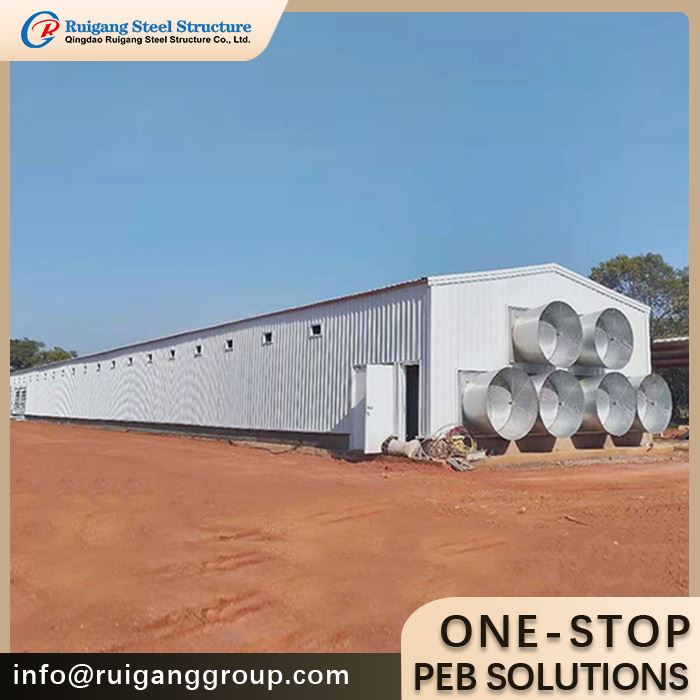
Hey there! I'm a supplier of Steel Farm Buildings, and I often get asked about how to protect steel from UV rays. It's a crucial question, especially when you're dealing with structures like Poultry Farm Steel Building and Steel Poultry Farm House. In this blog, I'll share some practical tips and tricks that I've learned over the years in the industry.
Why Protect Steel from UV Rays?
First off, let's understand why it's so important to shield steel from UV rays. UV rays can cause a lot of damage to steel over time. The sun's radiation can lead to oxidation, which results in rust. Rust not only looks bad but also weakens the structural integrity of the steel. For Steel Farm Buildings, this can be a real problem as these structures need to be strong and durable to withstand various environmental conditions.
Coatings and Paints
One of the most common and effective ways to protect steel from UV rays is by applying coatings and paints. There are different types of coatings available in the market, each with its own set of benefits.
Epoxy Coatings
Epoxy coatings are a popular choice. They form a tough, protective layer on the steel surface. These coatings are resistant to chemicals, abrasion, and UV rays. They also have good adhesion properties, which means they stick well to the steel and don't peel off easily. You can find epoxy coatings in different finishes, such as gloss, semi - gloss, and matte, depending on your aesthetic preferences.
Polyurethane Coatings
Polyurethane coatings are another great option. They offer excellent UV resistance and can withstand harsh weather conditions. These coatings are flexible, which means they can expand and contract with the steel as the temperature changes. This flexibility helps prevent cracking and peeling of the coating. Polyurethane coatings also provide a high - gloss finish that can enhance the appearance of your steel farm buildings.
Zinc - Rich Paints
Zinc - rich paints work by providing a sacrificial layer of zinc on the steel surface. The zinc corrodes first, protecting the underlying steel from rusting. These paints are particularly effective in preventing oxidation caused by UV rays and moisture. They are often used in coastal areas where the air is salty and humid, as well as in industrial environments.
Galvanization
Galvanization is a process where a layer of zinc is applied to the steel. There are two main types of galvanization: hot - dip galvanizing and electro - galvanizing.

Hot - Dip Galvanizing
In hot - dip galvanizing, the steel is immersed in a bath of molten zinc. This creates a thick, durable layer of zinc on the steel surface. The zinc layer acts as a barrier against UV rays and moisture. Hot - dip galvanized steel is known for its long - term corrosion resistance and is commonly used in outdoor structures like steel farm buildings. It can last for decades with minimal maintenance.
Electro - Galvanizing
Electro - galvanizing involves using an electric current to deposit a thin layer of zinc on the steel. While it provides some protection against UV rays and rust, the layer is not as thick as that of hot - dip galvanizing. Electro - galvanized steel is often used in applications where a more aesthetic finish is required, but it may not be as suitable for long - term outdoor exposure.
Protective Films
Another option to protect steel from UV rays is to use protective films. These films are made of materials like polyethylene or polypropylene and can be applied to the steel surface.
Self - Adhesive Films
Self - adhesive films are easy to apply. You simply peel off the backing and stick the film to the steel. These films can provide a temporary or long - term barrier against UV rays. They are also useful for protecting the steel during transportation and installation. Some self - adhesive films have additional features, such as anti - scratch properties.
Laminated Films
Laminated films are more durable than self - adhesive films. They are made by bonding multiple layers of film together. These films can offer high - level protection against UV rays, as well as other environmental factors like dirt and debris. Laminated films are often used in high - end applications where long - term protection is required.
Regular Maintenance
Even if you've applied coatings, galvanized the steel, or used protective films, regular maintenance is still essential.
Cleaning
Regular cleaning helps remove dirt, dust, and other contaminants from the steel surface. You can use a mild detergent and water to clean the steel. Avoid using abrasive cleaners or tools that can scratch the protective coating. After cleaning, make sure to dry the steel thoroughly to prevent moisture from causing rust.
Inspection
Periodically inspect the steel for any signs of damage, such as cracks in the coating, rust spots, or peeling film. If you notice any issues, address them immediately. For example, if you find a small rust spot, you can remove the rust and apply a touch - up paint or coating.
Re - coating
Over time, the protective coatings may wear off. Depending on the type of coating and the environmental conditions, you may need to re - coat the steel every few years. Re - coating helps maintain the protection against UV rays and extends the lifespan of your steel farm buildings.
Conclusion
Protecting steel from UV rays is crucial for the longevity and performance of Steel Farm Buildings. By using coatings, galvanization, protective films, and regular maintenance, you can ensure that your steel structures stay in top condition for years to come.
If you're interested in purchasing high - quality steel farm buildings or need more advice on protecting steel from UV rays, feel free to reach out. We're here to help you make the best decisions for your farm.
References
- American Galvanizers Association. "Galvanizing 101."
- Paint Quality Institute. "Guide to Protective Coatings for Steel."
- National Association of Steel Building Manufacturers. "Best Practices for Steel Building Maintenance."