

Maintaining a large span steel structure warehouse is crucial for ensuring its longevity, safety, and functionality. As a supplier of large span steel structure warehouses, I've seen firsthand how proper maintenance can make a huge difference. In this blog, I'll share some practical tips on how to keep your steel structure warehouse in top - notch condition.
Regular Inspections
The first step in maintaining a large span steel structure warehouse is conducting regular inspections. You can't just assume everything is okay; you need to take a close look at the various components of the warehouse.
Structural Components
Start by inspecting the Steel Structure Frame. Check for any signs of corrosion, which can weaken the steel over time. Look for cracks, especially at the joints where different parts of the frame are connected. These joints are under a lot of stress, and even a small crack can lead to big problems if left untreated.
Also, examine the columns and beams. Make sure they're still plumb and straight. Any signs of bending or warping could indicate a serious issue. For example, if a beam is starting to sag, it might be overloaded or there could be a problem with its support.
Roof and Cladding
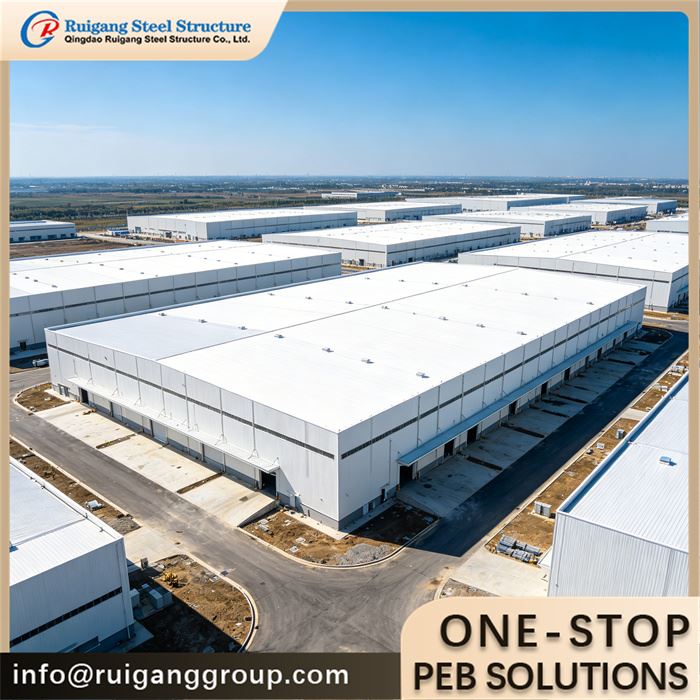
The roof and cladding are the first line of defense against the elements. Inspect the roofing panels for any signs of damage, like dents, holes, or loose fasteners. Water can seep through these openings, causing rust on the steel structure below. Check the seals around skylights and vents as well. If these seals are damaged, water can get in and cause mold and mildew growth, not to mention damage to the stored goods.
The cladding on the walls should also be inspected. Look for any signs of wear and tear, such as peeling paint or loose panels. Damaged cladding not only looks bad but can also let in moisture and pests.
Cleaning and Maintenance
Keeping your large span steel structure warehouse clean is more than just an aesthetic concern; it's essential for its structural integrity.
Cleaning the Steel
Dirt, dust, and debris can accumulate on the steel surface, which can trap moisture and accelerate corrosion. Use a pressure washer to clean the exterior of the warehouse regularly. Make sure to use a mild detergent to remove stubborn stains. For the interior, a simple sweep and mop can go a long way in preventing the buildup of dirt.
Lubrication
Moving parts in the warehouse, such as doors and windows, need to be lubricated regularly. This helps them operate smoothly and reduces wear and tear. Use a high - quality lubricant on hinges, rollers, and tracks. If you notice any squeaking or resistance when opening or closing doors and windows, it's a sign that they need lubrication.
Protection against Corrosion
Corrosion is one of the biggest enemies of steel structures. There are several ways to protect your warehouse from corrosion.
Coating
Applying a protective coating to the steel is a great way to prevent corrosion. There are different types of coatings available, such as galvanized coatings and paint. Galvanized coatings provide a sacrificial layer of zinc that corrodes instead of the steel. Paint can also act as a barrier between the steel and the environment. Make sure to choose a coating that is suitable for the climate and conditions in your area.
Cathodic Protection
Cathodic protection is another method to prevent corrosion. It involves using a sacrificial anode, which is a metal that corrodes more easily than steel. The anode is connected to the steel structure, and it sacrifices itself to protect the steel. This method is especially useful in areas with high moisture or salt content in the air.
Fire Protection
Fire is a major risk in any warehouse, and a large span steel structure warehouse is no exception.
Fire - Resistant Coatings
Apply fire - resistant coatings to the steel structure. These coatings can slow down the spread of fire and give you more time to evacuate and extinguish the fire. There are different types of fire - resistant coatings available, and you should choose one that meets the relevant fire safety standards.
Fire Suppression Systems
Install fire suppression systems, such as sprinklers and fire extinguishers. Sprinklers can quickly douse a fire, preventing it from spreading and causing extensive damage. Make sure to regularly test and maintain these systems to ensure they're in working order.
Load Management
Proper load management is essential for the safety of your large span steel structure warehouse.
Weight Limits
Know the weight limits of your warehouse and make sure not to exceed them. Overloading the structure can cause it to fail, leading to serious accidents. If you need to store heavy items, make sure they're evenly distributed across the floor and supported by appropriate storage racks.
Dynamic Loads
Consider dynamic loads, such as wind and seismic forces. These loads can put additional stress on the structure. Make sure your warehouse is designed to withstand these forces, and if necessary, reinforce the structure to handle them.
Training and Education
Make sure your employees are trained on how to maintain the warehouse. They should know how to perform basic inspections, clean the warehouse, and use the fire suppression systems. Provide regular training sessions to keep them updated on the latest maintenance procedures.
Working with a Professional
If you're not sure about how to maintain your large span steel structure warehouse, it's a good idea to work with a professional. A professional can conduct a detailed inspection, identify any potential problems, and provide solutions. They can also help you with long - term maintenance planning.

Conclusion
Maintaining a large span steel structure warehouse is a continuous process. By following these tips, you can ensure that your warehouse remains safe, functional, and in good condition for years to come. If you're in the market for a new large span steel structure warehouse or need advice on maintaining your existing one, don't hesitate to reach out. We're here to help you make the most of your investment.
References
- "Steel Structure Design and Construction" by John Doe
- "Maintenance of Industrial Buildings" by Jane Smith