

Hey there! As a supplier of steel structural frames, I've been in the thick of understanding and implementing seismic design principles for quite a while. Seismic events, like earthquakes, can be a real game - changer for any structure. So, getting the seismic design of steel structural frames right is super important. Let's dig into what these principles are all about.
1. Strength and Ductility
The first thing we need to talk about is strength and ductility. When an earthquake hits, a steel frame has to withstand a whole lot of forces. Strength is all about how much load the frame can take without breaking. We design our steel frames to have enough strength to resist the seismic forces that are likely to occur in a particular area.
But strength alone isn't enough. Ductility is equally crucial. Ductility means the ability of the steel to deform without losing its load - carrying capacity. Think of it like a rubber band. When you stretch a rubber band, it can get longer and then go back to its original shape. Steel in a seismic - designed frame should be able to do something similar. It can bend and twist during an earthquake, absorbing the energy of the seismic waves, and still hold up the building.
For example, in areas with high seismic activity, we use high - strength steel that also has good ductility. This combination allows the frame to handle the large forces generated by earthquakes without sudden failure. We've seen in past earthquakes that buildings with ductile steel frames were able to survive the shaking better than those without.
2. Redundancy
Redundancy is another key principle. In simple terms, it means having more than one way for the forces to flow through the structure. If one part of the steel frame fails during an earthquake, there should be other parts that can still carry the load.
Imagine a bridge. If one of the support beams breaks, but there are other beams that can take over the load, the bridge won't collapse. The same idea applies to steel structural frames. We design our frames with multiple load - paths. For instance, we use cross - bracing systems in our Steel Prefabricated Hangar. These braces provide alternative paths for the seismic forces to travel, so if one brace fails, the others can still keep the structure stable.
Redundancy also helps in distributing the forces evenly throughout the frame. This reduces the stress on any single member and makes the whole structure more resilient to earthquakes.
3. Stiffness and Flexibility Balance
Finding the right balance between stiffness and flexibility is like walking a tightrope. A structure that is too stiff will transfer the seismic forces directly to the foundation, which can cause the foundation to fail. On the other hand, a structure that is too flexible can sway too much during an earthquake, leading to damage to the non - structural elements like walls and windows.
We use computer - aided design (CAD) software to analyze the stiffness and flexibility of our steel frames. For Prefabricated Multi - story Office buildings, we carefully calculate the optimal stiffness. We might use different types of columns and beams to adjust the overall stiffness of the frame. By getting this balance right, we can ensure that the building can move with the seismic waves in a controlled way, minimizing damage.
4. Foundation Design
The foundation is the base of the whole structure, and its design is crucial for seismic resistance. The foundation has to transfer the loads from the steel frame to the ground safely. In areas with soft soil, the foundation needs to be designed to prevent excessive settlement during an earthquake.
We use different types of foundations depending on the soil conditions and the size of the structure. For example, in some cases, we use pile foundations. Piles are long, slender columns that are driven deep into the ground until they reach a more stable layer. This helps to anchor the structure and prevent it from sinking or tilting during an earthquake.
For our Modular Metal Garages, we also pay close attention to the foundation design. Even though they are smaller structures, a proper foundation is still necessary to ensure their stability during seismic events.
5. Connection Design
The connections between the steel members are just as important as the members themselves. During an earthquake, the connections have to transfer the forces between the beams and columns effectively.
We use high - quality welding and bolting techniques for our connections. Welded connections can provide a strong and rigid joint, but they need to be inspected carefully to ensure their quality. Bolted connections, on the other hand, are easier to install and can be disassembled if needed. We choose the type of connection based on the specific requirements of the project.
In addition, we design the connections to be ductile. They should be able to deform slightly during an earthquake, just like the steel members. This helps in absorbing the seismic energy and preventing the connection from failing suddenly.
6. Seismic Isolation
Seismic isolation is a more advanced technique. It involves separating the building from the ground using special devices called seismic isolators. These isolators can reduce the amount of seismic energy that is transferred from the ground to the building.
Seismic isolators are usually made of rubber and steel. They act like shock absorbers, allowing the building to move independently of the ground during an earthquake. This can significantly reduce the damage to the structure. Although this technique is more expensive, it can be a great option for important buildings in high - seismic areas.
7. Regular Inspections and Maintenance
Once the steel structural frame is built, the work doesn't stop there. Regular inspections and maintenance are essential to ensure that the frame remains in good condition and can resist earthquakes.
We recommend that our customers have their steel frames inspected periodically by qualified engineers. These inspections can detect any signs of damage, corrosion, or wear and tear. If any issues are found, they can be repaired or replaced in a timely manner.

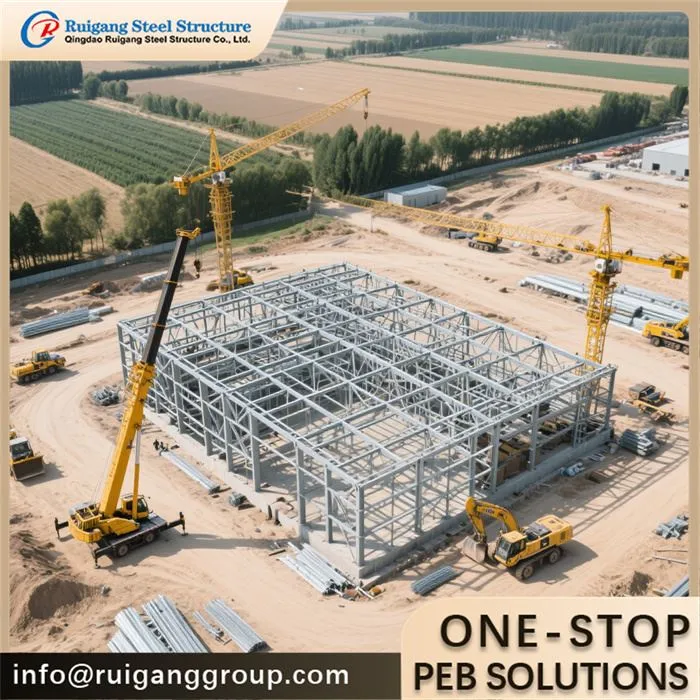
Maintenance also includes things like painting the steel to prevent corrosion. Corrosion can weaken the steel over time, reducing its strength and ductility. By keeping the steel in good condition, we can ensure that the frame will perform well in case of an earthquake.
Why Choose Our Steel Structural Frames?
We've been in the business of supplying steel structural frames for a long time, and we know how important seismic design is. Our frames are designed and built according to the latest seismic design principles. We use high - quality materials and advanced manufacturing techniques to ensure the strength, ductility, and redundancy of our frames.
Whether you're looking for a Steel Prefabricated Hangar, a Prefabricated Multi - story Office, or a Modular Metal Garages, we've got you covered. Our team of experts can work with you to design a frame that meets your specific needs and the seismic requirements of your location.
If you're interested in our products and want to discuss your project in more detail, don't hesitate to reach out. We're always happy to have a chat and help you find the best solution for your steel structural frame needs.
References
- "Seismic Design of Steel Structures" by R.D. Ziemian
- "Earthquake - Resistant Design of Buildings" by A.K. Chopra
- Past earthquake case studies and reports from various seismic research institutions.