

How to install a heating insulation layer in a steel structure duck farm
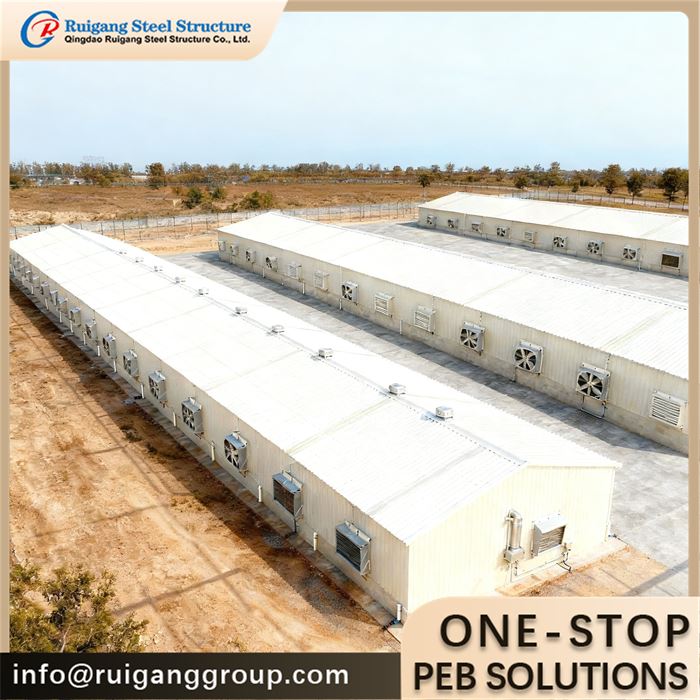
As a well - established supplier of Steel Structure Duck Farms, I understand the importance of maintaining an optimal temperature in the duck farm. Installing a heating insulation layer is a crucial step in ensuring the comfort and health of the ducks, as well as reducing energy costs. In this blog, I will share a detailed guide on how to install a heating insulation layer in a steel structure duck farm.
1. Understand the Basics of Insulation
Before starting the installation process, it's essential to have a basic understanding of insulation materials. There are several types of insulation suitable for steel structure duck farms, including fiberglass, foam board, and reflective insulation.
Fiberglass insulation is one of the most commonly used materials. It is affordable, easy to install, and has good thermal insulation properties. However, it can cause skin irritation and respiratory problems if not handled properly. Foam board insulation, on the other hand, is more expensive but provides better insulation and is more resistant to moisture. Reflective insulation reflects heat rather than absorbing it, which can be an effective way of reducing heat transfer, especially in hot climates.
2. Measure the Area
The next step is to accurately measure the area where the insulation will be installed. This includes the walls and the roof of the steel structure duck farm. Measure the length, width, and height of the walls, as well as the area of the roof. Make sure to account for any openings such as windows and doors.
When you have the measurements, you can calculate the amount of insulation material needed. It's always a good idea to buy a little extra to account for any mistakes or cuts during the installation process.
3. Prepare the Steel Structure
Before installing the insulation, the steel structure needs to be prepared. First, clean the surface of the steel to remove any dirt, rust, or debris. This will ensure that the insulation adheres properly to the steel.
If there are any holes or gaps in the steel structure, seal them with a suitable sealant. This will prevent air leakage and improve the effectiveness of the insulation. Additionally, make sure that the steel structure is structurally sound and can support the weight of the insulation.
4. Install the Vapor Barrier
A vapor barrier is an important component of the insulation system. It prevents moisture from entering the insulation, which can reduce its effectiveness and cause mold growth. Install the vapor barrier on the warm side of the insulation, which is typically the inside of the duck farm.
The vapor barrier can be installed using staples or adhesives. Make sure to overlap the seams by at least 6 inches to create a continuous barrier. Pay special attention to the corners and edges to ensure a tight seal.
5. Install the Insulation Material
Once the vapor barrier is installed, it's time to install the insulation material.
For fibrous insulation (such as fiberglass)
- Start from the top of the wall or roof and work your way down. Roll out the fiberglass insulation between the steel framing members. Make sure the insulation fits snugly and there are no gaps.
- Use a utility knife to cut the insulation to the appropriate length. Secure the insulation in place using insulation hangers or wire mesh.
For foam board insulation
- Cut the foam board to the correct size using a saw. Apply adhesive to the back of the foam board and press it firmly against the steel structure.
- Use screws or nails to reinforce the attachment, especially at the edges and corners. Make sure to seal the joints between the foam boards with a suitable sealant.
For reflective insulation
- Unroll the reflective insulation and staple it to the steel framing. Ensure that the reflective side faces the interior of the duck farm. Overlap the seams by at least 2 inches and tape them with foil tape.
6. Seal the Edges and Gaps
After the insulation is installed, seal all the edges and gaps using a high - quality sealant. This includes the areas around windows, doors, vents, and any other openings in the steel structure. Sealing these areas will prevent air leakage and improve the overall energy efficiency of the duck farm.

7. Inspect the Installation
Once the installation is complete, conduct a thorough inspection of the insulation layer. Check for any gaps, loose insulation, or areas where the vapor barrier is damaged. Make any necessary repairs to ensure that the insulation is installed correctly.
8. Additional Considerations
- Ventilation: While insulation is important for maintaining warmth, proper ventilation is also crucial in a duck farm. Make sure to install vents in the roof and walls to allow fresh air to circulate and remove excess moisture and ammonia.
- Fire Safety: Some insulation materials are flammable. Make sure to choose fire - resistant insulation materials and follow all local fire codes and regulations.
As a trusted supplier of steel structure duck farms, we offer a wide range of products and solutions. If you are interested in Farm Steel Structures, Farm Style Metal Building, Steel Meat Chicken Building, Steel Poultry Shed, or Steel Chicken Shed, we can provide you with high - quality products and professional advice.
If you have any questions about installing a heating insulation layer in your steel structure duck farm or are interested in purchasing our products, we welcome you to contact us for procurement and negotiation. Our team of experts is ready to assist you in creating the perfect environment for your ducks.
References
- Building Science Corporation. (Year). Insulation and Ventilation in Agricultural Buildings.
- National Research Council. (Year). Housing and Management of Poultry.