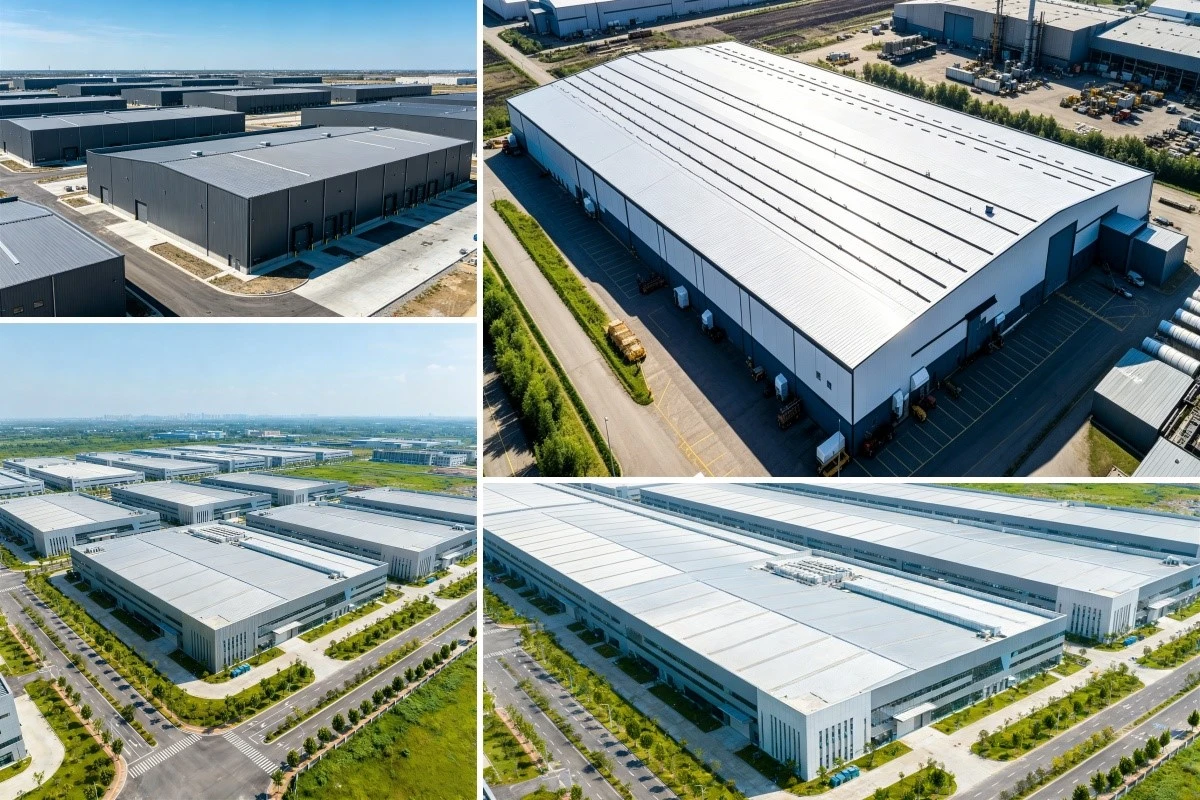
During the warehousing and storage process, the quality of goods preservation is closely related to the warehousing environment. Moisture - proof and thermal - insulation are key factors in ensuring a suitable warehousing environment. Achieving an integrated moisture - proof and thermal - insulation solution can provide more stable storage conditions for goods, making warehousing and storage more reassuring. The following elaborates on the importance of moisture - proof and thermal - insulation, their implementation methods, and their positive impacts on warehousing.
Importance of Moisture - proof and Thermal - insulation for Warehousing
(I) Protecting the Quality of Goods
Moisture - proofA humid environment can easily cause problems such as mildew, deterioration, and rusting of goods. For humidity - sensitive goods like food and medicine, excessive humidity may lead to the growth of microorganisms, shortening the shelf - life and even causing the goods to be scrapped. Metal products will rust more quickly in a humid environment, reducing product quality and service life. Effective moisture - proof measures can avoid these losses, ensuring that goods are stored and circulated in good condition.
Thermal - insulationTemperature fluctuations can affect the physical and chemical properties of goods. Some chemical products may undergo chemical reactions at too high or too low temperatures, changing their properties. Agricultural products are prone to sprouting and rotting in an inappropriate temperature environment. A suitable temperature environment can maintain the stability of goods and ensure that their quality is not affected.
(II) Extending the Lifespan of Warehousing Facilities
Moisture - proofHumidity can corrode the structural materials of warehousing facilities. For example, a steel - structured warehouse is prone to rusting when exposed to moisture, reducing the structural strength and shortening the service life. Effective moisture - proof measures can reduce this corrosion, protect the integrity of warehousing facilities, and lower maintenance and replacement costs.
Thermal - insulationTemperature changes cause thermal expansion and contraction of building materials. Repeated thermal stress may lead to cracks in walls, roofs, etc. Thermal - insulation measures can reduce temperature fluctuations and lower the fatigue damage of materials, extending the service life of warehousing facilities.
Ways to Achieve Integrated Moisture - proof and Thermal - insulation
(I) Selecting Appropriate Enclosure Materials
Sandwich PanelsSandwich panels are commonly used materials for achieving integrated moisture - proof and thermal - insulation. The middle sandwich layer often uses thermal - insulation materials such as polyurethane and polystyrene, which have good thermal - insulation performance and can effectively prevent heat transfer. At the same time, the outer color - coated steel plate, after special treatment, has certain moisture - proof performance, preventing external moisture from entering. Sandwich panels are easy to install, which can greatly improve construction efficiency.
Composite Thermal - insulation MaterialsComposite thermal - insulation materials composed of a thermal - insulation layer, a moisture - proof layer, and a protective layer can also achieve good moisture - proof and thermal - insulation effects. For example, a moisture - proof film is pasted on the outside of the thermal - insulation material, and then a waterproof and breathable protective layer is covered, which can not only prevent moisture intrusion but also ensure thermal - insulation performance. This kind of material can be customized according to warehousing needs and is suitable for different types of warehouses.
(II) Optimizing Architectural Design
Roof DesignThe roof slope should be reasonably set, generally not less than 5%, to ensure that rainwater drains quickly, reducing the water - accumulation time. At the same time, use roof materials with good waterproof performance and properly handle roof joints, such as sealing parts like parapets, gutters, and downspouts to prevent rainwater leakage. A moisture - proof layer is set between the roof structural layer and the thermal - insulation layer to effectively prevent moisture from penetrating into the thermal - insulation layer and affecting the thermal - insulation effect.
Wall DesignThe walls should be well waterproofed, especially at corners, door and window openings, and other parts prone to leakage. Methods such as applying waterproof mortar and pasting waterproof membranes can be used. For walls with thermal - insulation requirements, internal insulation, external insulation, or sandwich insulation methods can be adopted. External insulation can effectively protect the wall structure and reduce temperature stress, but attention should be paid to the setting of the moisture - proof layer to prevent rainwater from infiltrating into the thermal - insulation layer.
(III) Strengthening Ventilation and Humidity Control
Ventilation SystemA well - designed ventilation system can effectively regulate the humidity and temperature in the warehouse. Combine natural ventilation with mechanical ventilation. When the humidity is high, turn on the ventilation equipment to exhaust humid air and introduce dry air. Insect - proof nets and rain - proof covers should be set at ventilation openings to prevent insects from entering and rainwater from back - flowing.
Humidity Control EquipmentInstall humidity sensors to monitor the humidity in the warehouse in real - time. When the humidity is too high, start dehumidification equipment such as dehumidifiers or use the dehumidification function of air - conditioners to reduce the humidity. For some warehouses with strict humidity requirements, an intelligent humidity control system can also be adopted to automatically adjust the operation of dehumidification equipment according to the set humidity range.
Positive Impacts of Integrated Moisture - proof and Thermal - insulation on Warehousing
(I) Improving Warehousing Efficiency
Reducing Goods LossesA warehousing environment with good moisture - proof and thermal - insulation can reduce losses of goods caused by moisture and inappropriate temperatures, improve the storage quality of goods, and reduce economic losses. This means that more goods can enter the market in good condition, improving the utilization efficiency of warehousing resources.
Lowering Management CostsA stable warehousing environment reduces the need for frequent inspection and maintenance of goods, lowering labor management costs. At the same time, since the loss of goods is reduced, the frequency of replenishment and re - procurement is decreased, further saving costs.
(II) Enhancing Warehousing Safety
Preventing Fire HazardsThe selection of thermal - insulation materials should meet fire - prevention requirements. Some integrated moisture - proof and thermal - insulation materials have good fire - resistance, effectively reducing the risk of fire. At the same time, moisture - proof measures can avoid electrical equipment failures caused by humidity, reducing fire hazards.
Ensuring Structural SafetyMoisture - proof and thermal - insulation measures protect the structure of warehousing facilities, keeping them stable during long - term use and reducing the risk of safety accidents caused by structural damage, providing a safer environment for warehousing personnel and goods.
In conclusion, achieving integrated moisture - proof and thermal - insulation is an important measure to improve the quality and safety of warehousing and storage. By selecting appropriate materials, optimizing architectural design, and strengthening ventilation and humidity control, an ideal storage environment can be created for goods, making warehousing operations more efficient and reassuring.